Dental web design is one of the most overpriced categories on the internet. The going rate runs into five figures, plus a monthly fee, and a large share of that is being charged because practices can pay it rather than because the work is hard.
A dental website has maybe eight pages. Most of what a patient needs from it is factual.
What a patient actually wants to know
Someone lands on your site for one of two reasons. Either they are in pain and looking for the soonest appointment, or they are shopping around and comparing you against two other practices nearby.
Both of those people want the same short list.
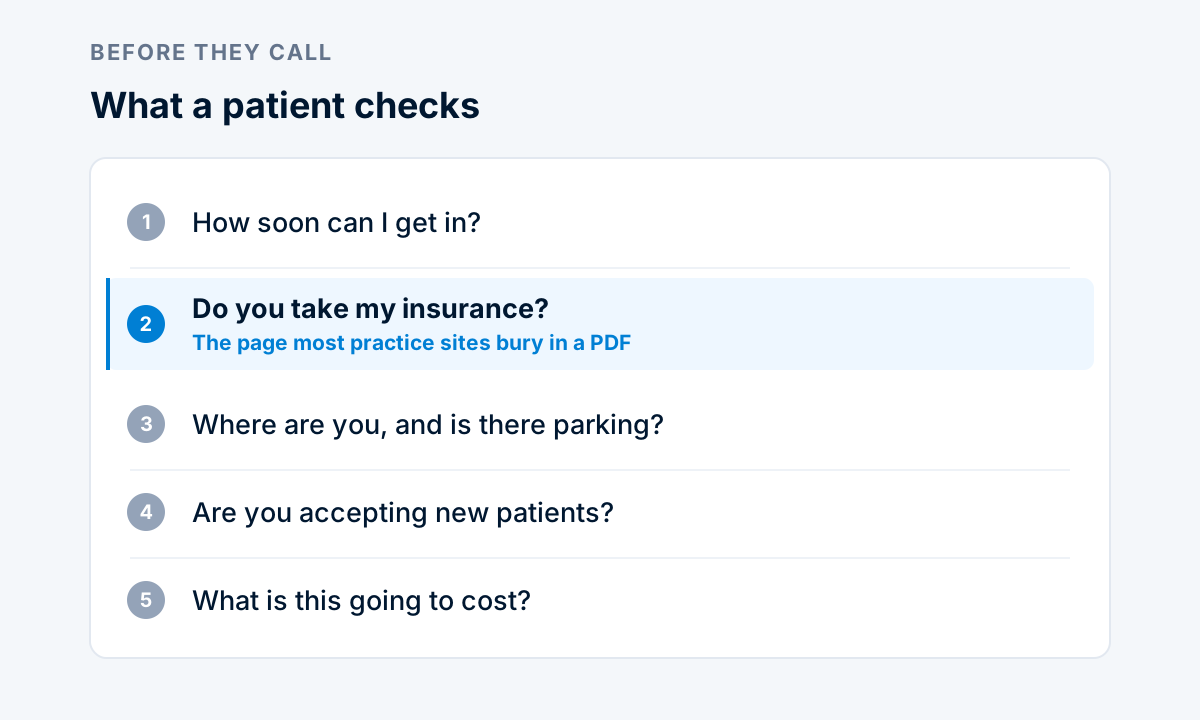
Answer those plainly and you have outperformed most practice websites, which tend to open with a stock photo of a woman laughing and a paragraph about commitment to care.
Insurance is the page everybody forgets
List the plans you accept. In text, on its own page, with the plan names spelled the way patients read them off their card.
This is the single most searched thing about any dental practice and it is routinely buried in a PDF or left off entirely. A patient who cannot confirm you take their plan will call the practice that made it obvious.
If your answer is complicated, say that too. "We are in network with these, we file out of network for these, here is roughly what that means for your cost" is a genuinely useful page and almost nobody writes it.
New patient forms
Put them online as a page or a downloadable file, whichever you can actually maintain. The goal is a patient arriving with the paperwork done, which is worth real money in chair time.
Speed, because emergencies are mobile
Toothache traffic comes from a phone, at night, from someone who is not in a patient mood. Swiftrics serves your site as static HTML from a CDN, so the page is already built and waiting when they ask for it. That is the difference between them calling you and calling whoever loaded first.
About HIPAA
A marketing website that does not collect patient health information is not a HIPAA system, and most dental sites are exactly that: hours, services, insurance, a contact form asking for name and phone.
The moment you start collecting symptoms or health history through a web form, that changes, and you need a vendor with a business associate agreement. Swiftrics is not that vendor. Use a dedicated patient intake system for anything clinical and keep your website to the marketing side. Anyone selling you a website who does not draw that line clearly is worth a second look.
Common questions
Can I edit my own hours and services?
Yes. That is the point of the CMS. No support ticket, no waiting on an agency.
What does it cost?
Nineteen dollars a month on the Starter plan, which includes hosting, SSL, and the CDN. There is no setup fee and no annual contract.
Can patients book online?
Link out to whatever scheduling system you already run. Swiftrics does not replace your practice management software and should not try to.
Do you do the design, or do I?
You pick a template and edit it. If you want it built for you, Pelton Solutions does that as a separate engagement.
Can I keep my domain?
Yes. Point it at Swiftrics and your existing address keeps working.
Your practice site does not need to cost five figures
Fourteen day free trial. Your plan isn't charged until it ends.