Legal web design carries some of the highest prices and the highest advertised click costs on the internet. A single click on "lawyer website design" runs about twenty-seven dollars, which tells you how much money is chasing this work.
Most of what gets sold is a template with a photograph of a courthouse and a paragraph about aggressive representation.
Start with your state bar's advertising rules
This is the part vendors skip, and it is the part that can actually cost you.
Every state regulates attorney advertising, and your website is advertising. The rules commonly cover claims about results, the word "specialist" or "expert", testimonials from clients, required disclaimers, and naming a responsible attorney and office address. Some states require you to keep copies of your advertising for a set period.
Read your own state's rules before you write a word of copy, and if you practice in more than one state, read both. We are not your lawyers and this page is not legal advice, which is a sentence that will feel familiar to you.
The practical upshot: write plainly about what you do and skip the superlatives. It is both safer and better copy.
Practice area pages are how you get found
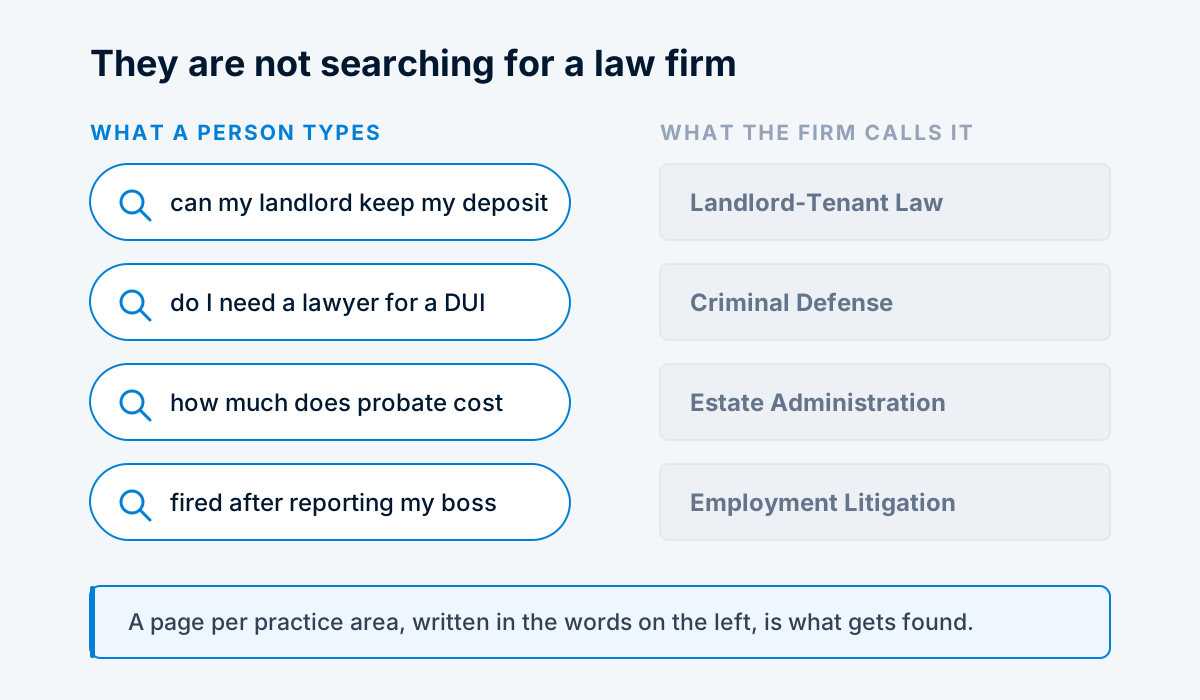
One page listing eleven practice areas ranks for none of them. A page for each one, written properly, ranks for the thing it is about.
Someone searching does not type "law firm." They type the specific problem they have, usually in the words a non-lawyer would use, often with a city attached. Write the page for that person, in their words rather than yours, and answer the question they actually have before asking them to call.
If you handle six things, that is six pages. If you handle two things well and four things occasionally, write two good pages.
What a person in trouble needs from the page
Most people contacting a lawyer are having a bad month. They are worried about money and about looking foolish.
So say what a consultation costs, or say that it is free. Say roughly how your fees work, even in ranges, even with caveats. Say how quickly someone will hear back. Say who they will actually talk to.
Firms tend to withhold all of this and wonder why the phone does not ring. The firm that explains its fee structure plainly gets called by the person who was too embarrassed to ask.
Speed and the phone number
Legal traffic skews heavily to phones, often from people searching under stress. Put the number in the header where a thumb lands, make it a real tap-to-call link, and keep the page fast enough to load before they lose patience.
Swiftrics publishes as static HTML on a CDN, so there is no database and no plugin stack between your visitor and the page.
Common questions
Can I put client testimonials on it?
Depends entirely on your state. Several restrict or prohibit them, and some require specific disclaimers alongside. Check before you collect them, not after.
Do I need a blog?
Only if you will write it. A legal blog abandoned in 2021 signals a firm that does not follow through. One substantial page answering a real question beats twelve thin posts.
Can I edit it myself?
Yes. Practice areas, bios, and fee information change often enough that waiting on a vendor becomes its own cost.
What about intake forms?
A basic contact form is included. Keep it to name, contact details, and a short description. Do not invite people to send case details through a website form, for reasons you already know better than we do.
Can I keep my domain?
Yes. Point it at Swiftrics and it keeps working.
A page for every practice area, edited by you
Fourteen day free trial. Your plan isn't charged until it ends.